Less-Mess 4PCS Silicone Baby Feeding Set (Suction Bowl)
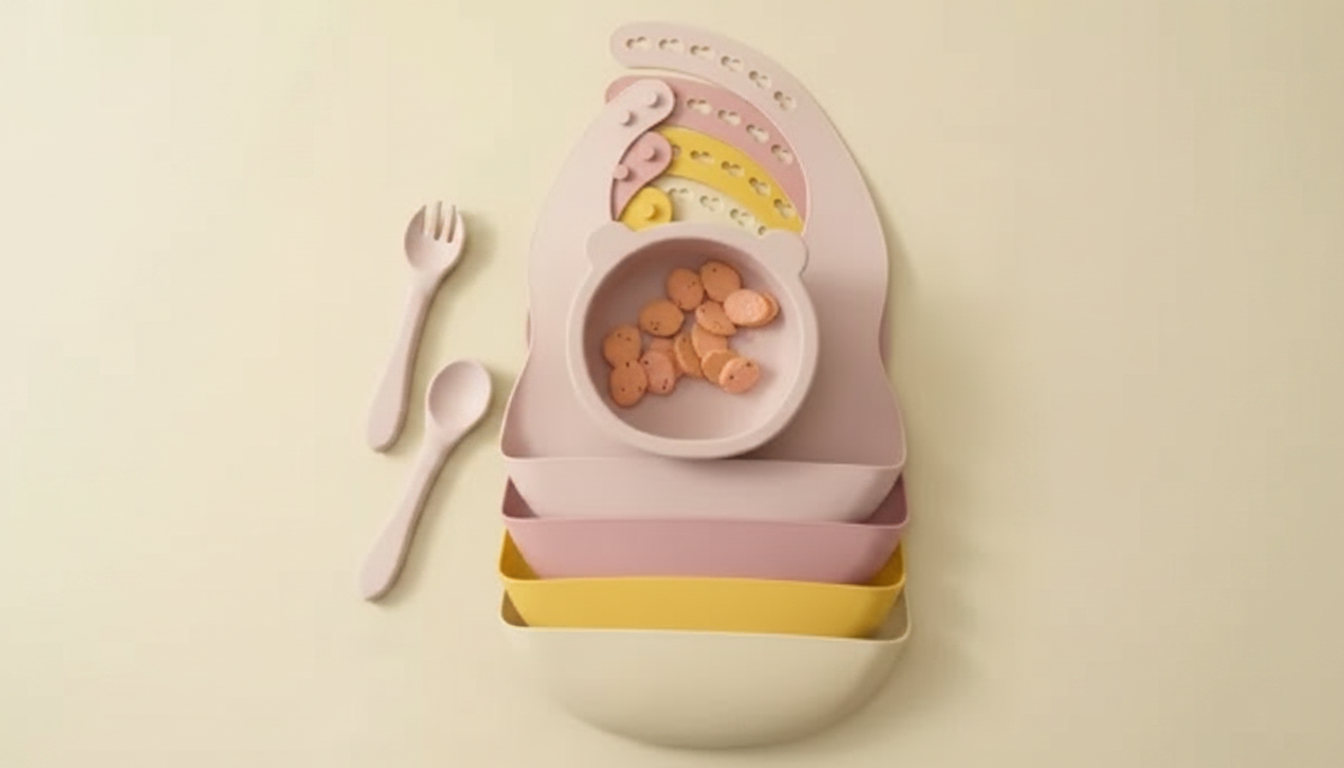
4PCS Silicone Baby Feeding Set: Suction Bowl, Utensils, and Waterproof Bib for Less Mess
Mealtime gets easier when a bowl stays put, utensils fit small hands, and a bib actually catches spills. This 4-piece silicone set is designed for everyday feeding at home or on the go, with wipe-clean materials and simple pieces that support self-feeding practice. If you’re building a practical starter kit for first foods, the 4PCS Silicone Baby Feeding Set with Suction Bowl, Utensils & Waterproof Bib keeps the essentials straightforward: one stable bowl, two easy utensils, and one waterproof bib. For more guidance, see 4-Piece Stackable Pasta Salad Bowl Set with Handle, Durable ….
What’s Included in the 4-Piece Set
This set covers the items most families reach for repeatedly during early feeding stages—especially when a baby is learning to scoop, dip, and explore textures. For further reading, see Amazon.com: PandaEar Silicone Baby Feeding Set| 2 Pack Silicone ….
- Suction bowl to help reduce tipping and sliding on smooth surfaces
- Two utensils sized for early feeding stages (spoon and fork-style utensil)
- Waterproof bib designed to catch drips and crumbs
- Soft silicone material intended to be gentle on gums and easy to rinse clean
Set Components at a Glance
| Piece | Purpose | Helpful For |
|---|---|---|
| Suction bowl | Stays in place during meals | Toddlers learning to scoop; reducing flips |
| Silicone spoon | Soft edge for early bites | Purees, yogurt, oatmeal |
| Silicone fork-style utensil | Practice picking up soft foods | Banana slices, pasta, steamed veggies |
| Waterproof bib | Catches mess and protects clothing | Teething drool, first foods, snacks |
How the Suction Bowl Helps During Self-Feeding
A steady bowl can make the “learning curve” less frustrating for both baby and caregiver. When the dish stays in place, a child can focus on the motion of scooping instead of chasing a sliding bowl across a tray.
- Encourages independent eating by keeping the bowl stable while a child scoops
- Helps reduce table and tray spills caused by sliding dishes
- Works best on clean, flat, non-textured surfaces; wipe the surface first for stronger suction
- Release is typically easiest by lifting an edge rather than pulling straight up
For best results, press the bowl down firmly for a couple of seconds after placing it. If you’re using a highchair tray, make sure it’s smooth and free of crumbs or moisture film—tiny particles can break the seal and reduce suction.
Utensils Made for Small Hands and Sensitive Gums
Early utensils are less about perfect manners and more about building confidence: grasping, bringing food to the mouth, and learning how different textures feel. Soft silicone tips can also be more comfortable during teething phases than harder materials.
- Short, easy-to-grip handles can be simpler for early coordination
- Soft silicone tips can feel more comfortable than hard plastic or metal during teething phases
- Supports transitions from parent-led feeding to baby-led practice
- Pairs well with thicker foods early on to help food stay on the utensil
If you’re starting with purees or mashes, thicker textures (like yogurt, oatmeal, mashed avocado, or smooth hummus) can be easier for beginners than runny liquids. For finger foods, the fork-style utensil helps practice “spearing” or pinching softer items such as banana slices or well-cooked pasta.
For guidance on introducing solids safely and at the right stage, see the American Academy of Pediatrics resource on starting solid foods.
Waterproof Bib: Less Laundry, Faster Cleanup
A reliable bib helps keep outfits drier and reduces the pile of clothes changes that can pile up during messy meals. A wipeable surface is especially useful for snacks, travel days, and restaurant highchairs where you want quick cleanup.
- Waterproof surface helps keep outfits drier during messy meals
- Catcher pocket design (if present) can help trap crumbs and drips before they reach the floor
- Good for snacks, purees, and mealtimes at restaurants or daycare
- Rinse or wipe after use to keep it ready for the next meal
Tip for busy days: keep the bib with a small pack of wipes in a diaper bag pocket. It’s an easy way to handle crackers, fruit, or yogurt pouches without turning every snack break into a full wardrobe change.
Care and Cleaning Tips for Silicone Feeding Items
For general baby food handling and safe preparation practices, the CDC’s overview of food safety for babies and young children is a helpful reference.
Because feeding items come in contact with food, many parents also like to understand how food-contact materials are regulated; the FDA provides a background primer on food contact substances.
When This Set Is Most Useful
Product Details and Quick Summary
- Product: 4PCS Silicone Baby Feeding Set with Suction Bowl, Utensils & Waterproof Bib
- Price: $8.51 (USD)
- Availability: In stock
- A simple set aimed at reducing mess and supporting early self-feeding routines
Quick Facts
| Detail | Value |
|---|---|
| Pieces | 4 |
| Material | Silicone (set components) |
| Includes | Suction bowl, utensils, waterproof bib |
| Price | $8.51 USD |
| Stock status | In stock |
More In-Stock Picks
FAQ
How do you get a suction bowl to stick better?
Use a clean, flat, non-porous surface, then wipe both the surface and the suction base before pressing down firmly. Avoid textured trays when possible, and to remove the bowl, lift an edge to break the seal instead of pulling straight up.
Is silicone safe for baby feeding items?
Food-grade silicone is commonly used for baby feeding products, but it’s still important to check the manufacturer’s details and use the item as directed. Inspect regularly for damage and keep pieces clean and fully dry between uses.
How should silicone bibs and utensils be cleaned to prevent odors?
Wash with warm soapy water, rinse thoroughly, and let everything dry completely. If odors linger, an occasional soak in warm water with baking soda can help, and it’s best to avoid abrasive scrubbers that can roughen the surface.









Leave a comment