Dual-Sided Vent Brush: Easy Car Air Vent Cleaning
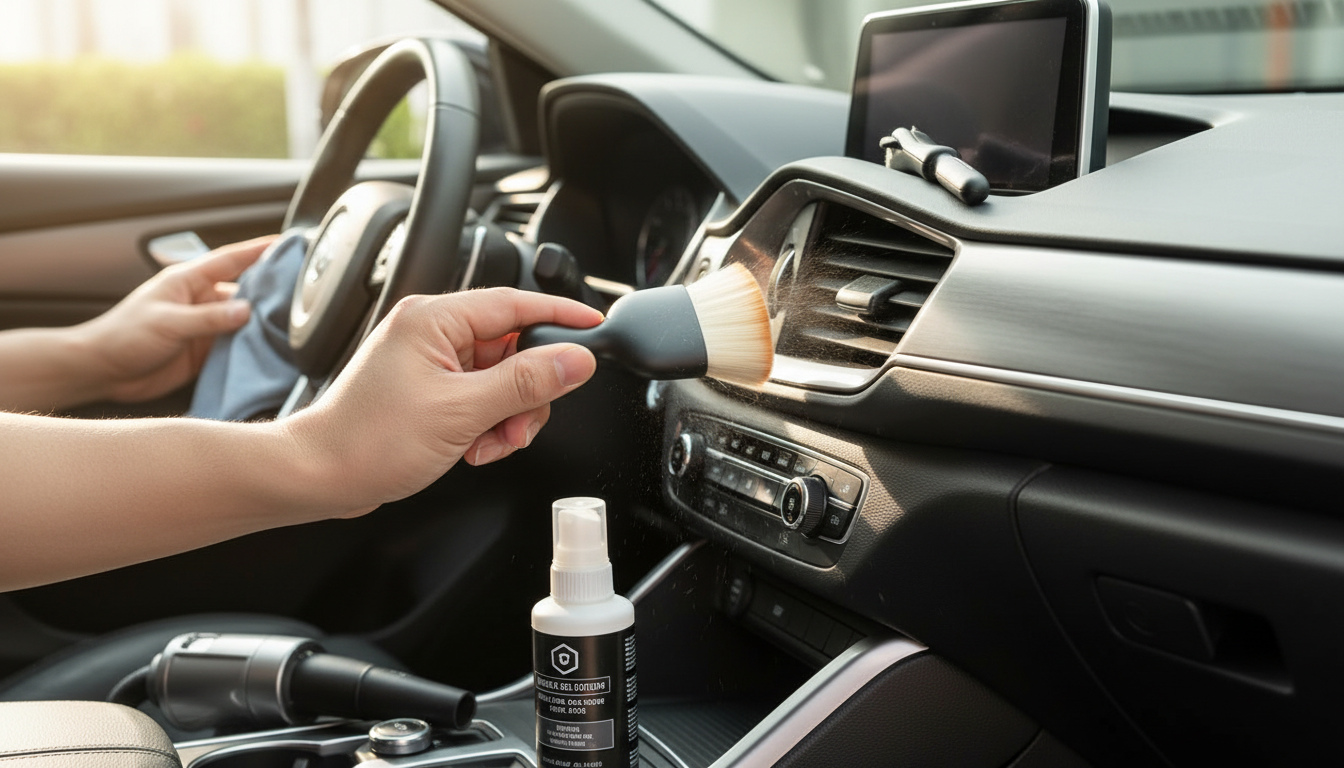
Dual-Sided Car Air Vent Cleaning Brush: A Simple Tool for Cleaner Vents and a Fresher Cabin
Dust, pollen, and lint can build up inside air vent slats and along the surrounding trim, then circulate every time the fan turns on. A dual-sided vent brush is designed to reach narrow gaps without scratching, making quick work of routine interior upkeep. This guide explains what a dual-sided car air vent cleaning brush is, how to use it effectively, and how to keep vents cleaner between deep cleans.
What a dual-sided vent brush is designed to do
A car’s vents are full of tight angles and thin louvers, which makes them frustrating to clean with a towel or a bulky detailing brush. A dual-sided vent brush is built for those cramped spaces and for quick touch-ups that keep the cabin looking and smelling more pleasant.
- Targets tight vent slats where cloths and bulky detailing brushes struggle to fit
- Helps lift and capture fine dust rather than pushing it deeper into the vent housing
- Works on vent louvers, dash seams, console crevices, and around buttons/knobs
- Useful for quick touch-ups before trips, rideshare shifts, or car listings/photos
Why vents get dirty (and why it matters)
Vents are high-traffic surfaces for airflow, and the areas around them tend to be static-prone plastic that clings to dust. Even when a car looks clean overall, vent slats often tell a different story—especially in bright sunlight.
- Airflow pulls in particles from open windows, shoes, clothing fibers, and outdoor air
- Static-prone plastic trim can attract dust, especially in dry climates
- Built-up debris can reduce perceived freshness and may contribute to odors when moisture is present
- A cleaner vent area can complement cabin air filter maintenance and overall interior hygiene
For broader background on managing airborne particles and keeping indoor environments cleaner, resources from the U.S. EPA and everyday cleaning guidance from the CDC are helpful references (many of the same principles apply in a vehicle’s small, enclosed cabin).
Key features to look for in a dual-sided brush
Not all vent brushes behave the same around delicate interior surfaces. A few design details make the difference between a quick, satisfying clean and a tool that just smears dust around.
- Soft bristles or microfiber-like fibers to reduce the chance of marring glossy trim
- Slim profile that fits between closely spaced vent slats
- A second cleaning surface for broader wiping or finishing passes
- Comfortable grip for controlled pressure around delicate louvers
- Washable or easy-to-rinse material for repeated use
Vent cleaning methods: when to use what
| Method | Best for | Pros | Watch-outs |
|---|---|---|---|
| Dual-sided vent brush | Routine vent slat cleaning | Fits narrow gaps; quick touch-ups | Avoid heavy pressure on fragile louvers |
| Compressed air | Blowing loose dust out of gaps | Fast; reaches deep | Can scatter dust onto dash/seats; wear eye protection |
| Microfiber cloth + detail spray | Surrounding trim and dash | Streak-free finish; good for fingerprints | Cloth may not reach between slats |
| Vacuum with soft brush attachment | Capturing loosened dust | Reduces re-depositing debris | Large attachments may not fit tight vents |
How to clean air vents with a dual-sided brush (quick routine)
This simple routine usually takes just a few minutes and helps prevent the “dust puff” that can happen when vents are ignored for months.
- Park in shade and turn the fan off; let the dashboard cool to reduce streaking.
- Angle the vent slats open to widen gaps and improve access.
- Gently sweep the brush along each slat from one end to the other; repeat for the opposite direction.
- Flip to the other side to wipe the face of the louvers and surrounding trim.
- Use a vacuum nearby to capture loosened dust (optional but helpful).
- Finish with a dry pass to remove any remaining lint and leave a uniform look.
If you keep up with regular vehicle maintenance, adding vent cleaning to your routine pairs well with the general upkeep recommendations from the Car Care Council.
Deeper clean for stubborn grime and odors
When dust mixes with skin oils, spilled drinks, or interior dressings, vent slats can develop sticky film. The key is to loosen grime without flooding the ducting with moisture.
Care tips to keep the brush effective
Common mistakes to avoid
Product spotlight: Dual-Sided Car Air Vent Cleaning Brush
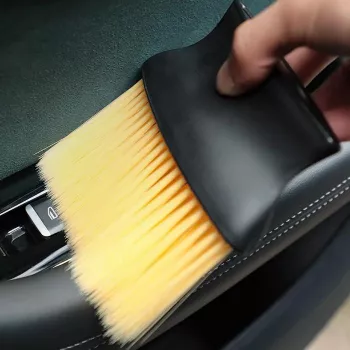
If you want a simple tool that’s easy to keep in the glovebox for quick, satisfying cleanups, the Dual-Sided Car Air Vent Cleaning Brush is a compact option intended for vent slats and nearby interior crevices. It’s ideal for routine maintenance between full interior details and pairs well with a small vacuum and a gentle interior cleaner for best results.
Extra picks for pet-friendly car cleanliness
FAQ
Can a vent cleaning brush scratch interior trim?
Soft bristles are generally safe, but scratching can happen if you press too hard or if grit gets trapped in the fibers. Use light pressure, rinse the brush often, and test on an inconspicuous spot if your trim is glossy or easily marked.
Should the brush be used dry or damp?
Use it dry for routine dusting and quick touch-ups. For stuck-on grime, a slightly damp brush can help, but avoid dripping liquid into the vent openings and finish with a dry pass.
How often should air vents be cleaned?
For dusty areas, frequent window-down driving, or pet passengers, cleaning every 2–4 weeks keeps buildup under control. For lighter use, a seasonal clean is usually enough, with quick touch-ups as needed.











Leave a comment