Autumn Dog Shirt for Large Breeds: Fit, Warmth & Ease
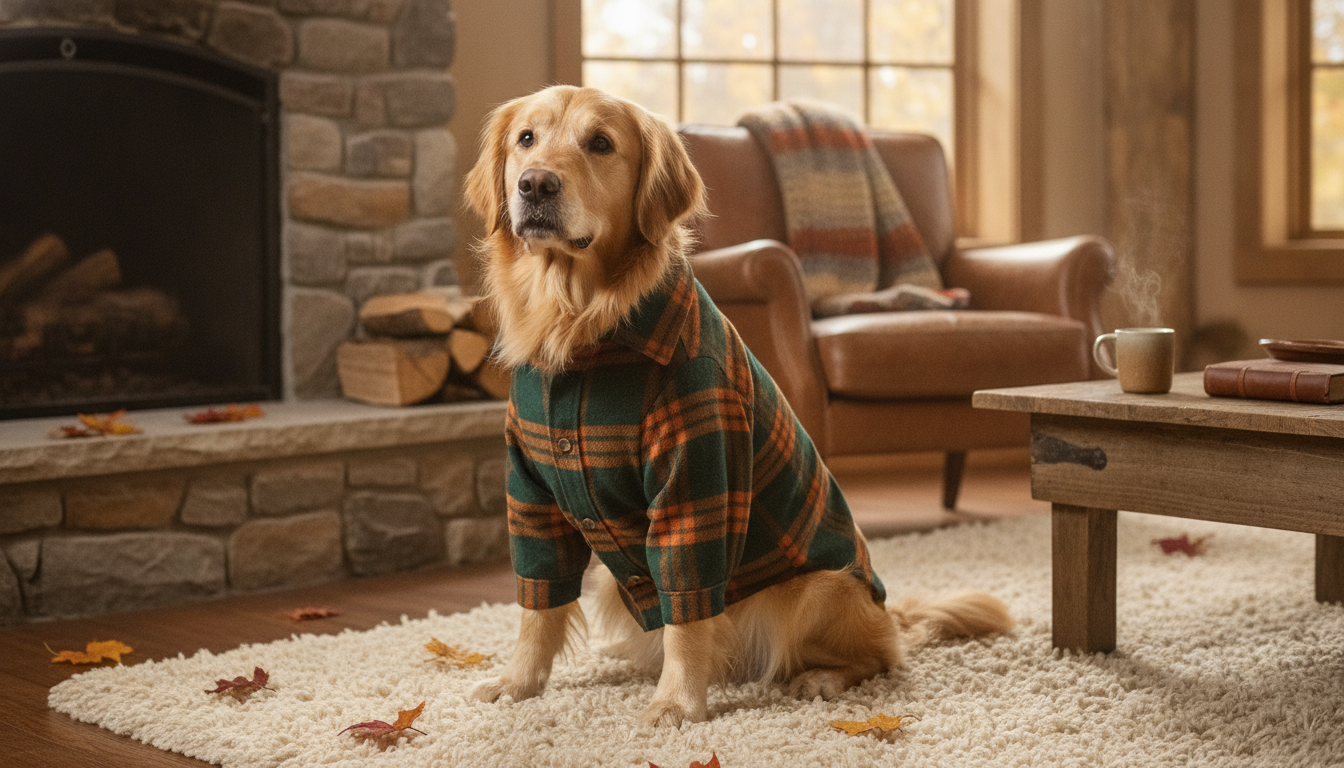
Cozy Autumn Dog Shirt for Large Breeds: Warmth, Fit, and Everyday Comfort
Cooler fall days often call for an extra layer—especially for short-coated dogs, seniors, and pups that get chilly on morning walks. A well-fitted autumn shirt can add warmth without restricting movement, keep light debris off the coat, and make outings more comfortable. This guide focuses on choosing the right fit for large breeds, how to use a shirt for layering, and simple care tips to keep it looking great all season. For more guidance, see Pomeranian Clothes Guide: When to Dress Your Pom and ….
What a good autumn shirt does for a large-breed dog
A large dog doesn’t always need a heavy coat to feel comfortable in fall weather. The right shirt can deliver “just enough” warmth while staying flexible for big strides and broad shoulders. For further reading, see Colorado Animal Rescue Blog.
- Adds a light-to-moderate layer for brisk mornings and evenings without the bulk of a heavy coat.
- Helps reduce chill for short-haired breeds, older dogs, and dogs recovering from grooming or baths.
- Can minimize loose hair and outdoor dust on the coat during car rides and indoor lounging.
- Supports easy layering: a shirt as the base layer under a jacket on colder or windy days.
- Encourages relaxed movement when the fit is correct—no tight armholes, no twisting along the spine.
For broader cold-weather safety guidance (including when it’s too cold for extended outdoor time), review these reputable references from the American Kennel Club and the AVMA.
Fit first: measuring a large dog for a comfortable shirt
Large breeds vary widely—think deep chests, thick necks, and muscular shoulders—so sizing by weight alone is rarely accurate. A soft measuring tape and a calm moment after exercise (when your dog is relaxed and standing evenly) usually yields the best results.
- Measure the chest (girth) at the widest point behind the front legs; this is usually the most important number for large breeds.
- Measure neck circumference where a collar naturally sits; avoid sizing too tight for thick coats.
- Measure back length from the base of the neck to the base of the tail; aim for coverage without blocking tail movement.
- If between sizes, prioritize chest room and choose the larger option, then adjust with a better neckline or layering plan.
- After putting the shirt on, confirm: two fingers fit comfortably under the fabric at the chest and neck, and the dog can sit/lie down without pulling.
| Measurement | How to measure | Fit check |
|---|---|---|
| Chest (girth) | Wrap tape behind front legs at widest ribcage point | No pinching at armpits; easy breathing when walking |
| Neck | Measure where a collar rests | No gagging or tightness when looking up/down |
| Back length | Base of neck to base of tail | Covers back without riding up or bunching at tail |
A practical “test walk” after you dress them
Once the shirt is on, take a short leash walk and watch how the fabric behaves. If it rotates to one side, creeps up the belly, or pulls backward when your dog reaches forward, the chest is likely too snug or the arm openings are too large for that body shape.
Material and comfort details that matter in fall
Comfort issues show up fast on big dogs because they generate more momentum when moving—and any rubbing under the arms can become annoying (or worse) over a longer walk.
- Prioritize soft, flexible fabric that moves with the shoulders and doesn’t rub the underarms during longer walks.
- Look for breathable warmth rather than heavy insulation; overheating can happen quickly during play sessions.
- For dogs with sensitive skin, choose smooth seams and avoid stiff trims that can irritate the chest and belly.
- If the dog sheds heavily, fabrics that resist static and cling can make seasonal grooming easier.
- For drizzly days, a shirt works best as an under-layer paired with a weather-resistant outer coat.
If your dog tends to push hard during outdoor play, consider limiting the shirt to walks and calmer outings. The ASPCA cold weather tips are also a helpful reminder to watch for discomfort signals and adjust time outside accordingly.
Getting used to wearing a shirt (without stress)
Even confident dogs can feel unsure about clothing at first. The goal is to make the shirt feel predictable and positive—like grabbing the leash for a walk.
Care and seasonal storage
Pairing ideas for a fall-ready routine
In-stock picks for fall comfort (and a little extra fun)
- Cozy Autumn Dog Shirt for Large Breeds ($26.51) for a light, flexible layer on brisk days.
- Interactive Rubber Basketball Dog Toy ($5.97) for short, high-interest play sessions indoors.
- Interactive Squeaky Dog Toothbrush Bone Toy ($12.82) for chew time that keeps your dog busy when outdoor time is limited.
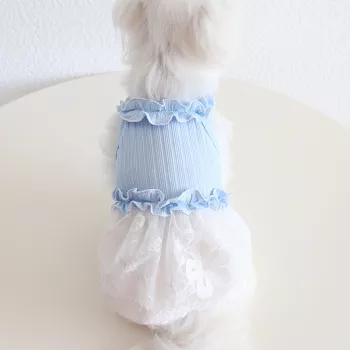
- Luxury Spring & Summer Dog Dress for Small Breeds ($17.67) as a warm-weather wardrobe option for smaller companions in the home.
FAQ
How tight should a dog shirt fit on a large breed?
Use the two-finger rule at the neck and chest, and make sure your dog can fully extend the front legs without the fabric pulling back. After a short walk, check for twisting, pressure marks, or armpit rubbing and adjust sizing if needed.
Can a dog wear an autumn shirt all day?
Many dogs can wear a comfortable shirt for longer periods when supervised, but it should come off if your dog overheats, plays roughly, or shows irritation. Remove it at night unless a veterinarian specifically recommends otherwise.
How do you stop a dog shirt from riding up or twisting?
Prioritize the chest measurement, then choose a back length that covers the body without bunching at the tail. A good fit through the shoulders and properly sized armholes reduces rotation; re-check after movement to confirm it stays centered.








Leave a comment