Kids Handled Bodyboard: Sizing, Safety, and Care Tips
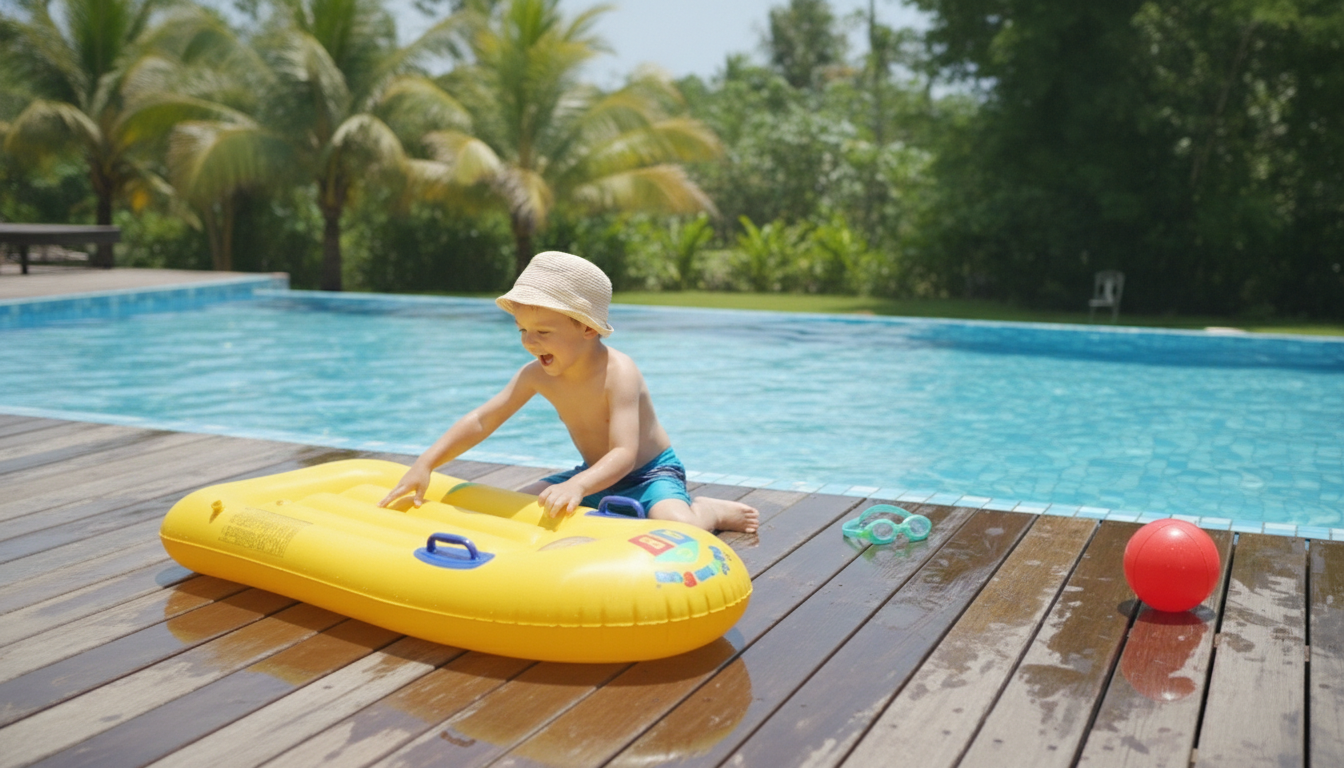
Kids Multi-Color Bodyboard with Handles
A bright, easy-to-hold bodyboard can help kids feel more confident in the water while they learn balance, timing, and how to ride small waves. This multi-color kids bodyboard includes built-in handles for a steadier grip, making it a practical choice for beach days, pool play, and shallow-water wave practice with close adult supervision. Below is a clear breakdown of what to look for, how to use it comfortably, and how to keep it in good shape between trips.
What Makes a Handled Bodyboard Kid-Friendly
Kids tend to learn faster when the board feels predictable in their hands. A handled design can reduce the “where do I put my hands?” confusion and help a child focus on body position and kicking.
- Handles add stability: A secure grip helps reduce slipping when paddling, kicking, or hopping onto the board in shallow water.
- Multi-color designs are easier to spot: Bright colors can improve visibility in busy swimming areas, especially when kids set the board down on sand or in the shallows.
- Lightweight boards are easier to carry: Kids are more likely to use the board independently when it’s not cumbersome to haul from car to shoreline.
- Simple learning curve: Kids can start by lying prone and gliding in very small whitewater before attempting gentle waves.
Quick Look: Kids Multi-Color Bodyboard with Handles
This option is made for casual, confidence-building sessions—think shoreline foam, gentle glides, and lots of quick remounts. The integrated handles provide consistent hand placement, which can help kids keep their chest steady on the deck and their hips aligned behind them.
- Designed for easy gripping: Integrated handles provide a consistent place for hands, which can help with body position and balance.
- Good for casual water play: Suitable for beach shallows and small-wave conditions, as well as supervised pool fun where permitted.
- Budget-friendly option: An accessible pick for families who want an extra board for trips, siblings, or friends.
- In stock: Available now, making it a convenient add-on for upcoming vacations or weekend outings.
| Item | Details |
|---|---|
| Name | Kids Multi-Color Bodyboard with Handles |
| Price | $6.51 USD |
| Availability | In stock |
| Product page | View details |
How to Choose the Right Size and Setup for a Child
Comfort and control matter more than speed for beginners. A board that’s easy to hold and steer in shallow foam will usually lead to a better first experience than a “faster” setup that’s harder to manage.
- Match the board to the child’s height: As a general guideline, a bodyboard should reach roughly from the child’s knees up to their belly button when standing next to it; smaller riders typically do better with shorter boards they can control.
- Prioritize control over speed: For beginners, a board that feels easy to hold and steer in whitewater is more helpful than one aimed at performance.
- Check handle placement: Handles should be positioned so the child can keep elbows slightly bent and chest comfortably supported on the deck (not overstretched).
- Plan for where it will be used: Calm bays and pool play emphasize comfort and ease of holding; beach break waves emphasize stability and quick remounting after wipeouts.
- Safety pairing: A properly fitted, Coast Guard–approved life jacket is strongly recommended for young or inexperienced swimmers, depending on conditions and local rules.
| Check | What to look for | Why it matters |
|---|---|---|
| Board height vs. child | Roughly knee-to-belly-button range | Improves control and reduces fatigue |
| Grip comfort | Hands reach handles without straining | Helps maintain body position |
| Carry ease | Child can lift and walk with it | More independence, fewer drops |
| Use location | Pool / bay / small surf | Sets expectations for performance |
| Safety gear | Proper flotation and supervision | Reduces risk in changing conditions |
Using a Handled Bodyboard: Simple Steps for Beginners
For kids, the fastest way to “get it” is a calm, repeatable routine: grip, chest position, steady kicks, and tiny foam waves close to shore.
Safety Notes for Beach and Pool Days
- Stay within lifeguarded areas when possible and follow posted flags/signage for surf conditions.
- Avoid strong currents: If rip current warnings are posted, skip bodyboarding and choose safer water activities. NOAA’s guidance is a helpful refresher: NOAA: Rip Current Safety.
- Keep close supervision: Kids on flotation or boards can drift quickly, even in light wind or mild current. For family-focused reminders, see American Red Cross: Water Safety.
- Consider a life jacket for beginners: Choose a properly fitted option and follow official recommendations: U.S. Coast Guard: Life Jacket Safety.
- Inspect the board before each use: Look for cracks, sharp edges, or damage around handles; discontinue use if anything feels unstable.
Care, Storage, and Travel Tips
More In-Stock Finds for Vacation Weekends
- Luxury Spring & Summer Dog Dress for Small Breeds
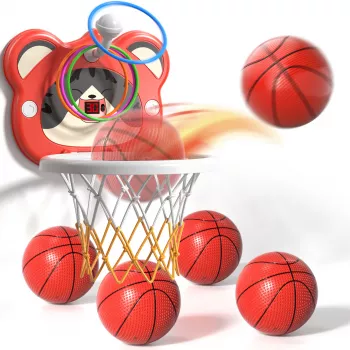
- Interactive Rubber Basketball Dog Toy
- Interactive Squeaky Dog Toothbrush Bone Toy
FAQ
Are handles better for kids learning to bodyboard?
Handles give kids a consistent place to grip, which can improve stability and confidence—especially for beginners and smaller hands. Good technique, gentle conditions, and close supervision still matter most.
Can a child use a bodyboard in a pool?
It depends on the pool’s rules and how crowded it is. If permitted, keep it supervised, avoid jumping or standing on the board, and stop if it interferes with other swimmers.
What conditions are safest for a first bodyboarding session?
Calm water or very small, gentle whitewater near shore is typically safest for a first session. Avoid strong surf, rip current warnings, and offshore winds, and choose lifeguarded areas with close adult supervision.









Leave a comment