Stronger Together Approach: Build Family Teamwork Daily
What is the stronger together approach?
The stronger together approach is a simple way to build better relationships by focusing on shared effort instead of going it alone. It’s the idea that families, partners, teams, or communities make more progress when they coordinate their time, communicate clearly, and follow through on small commitments together.
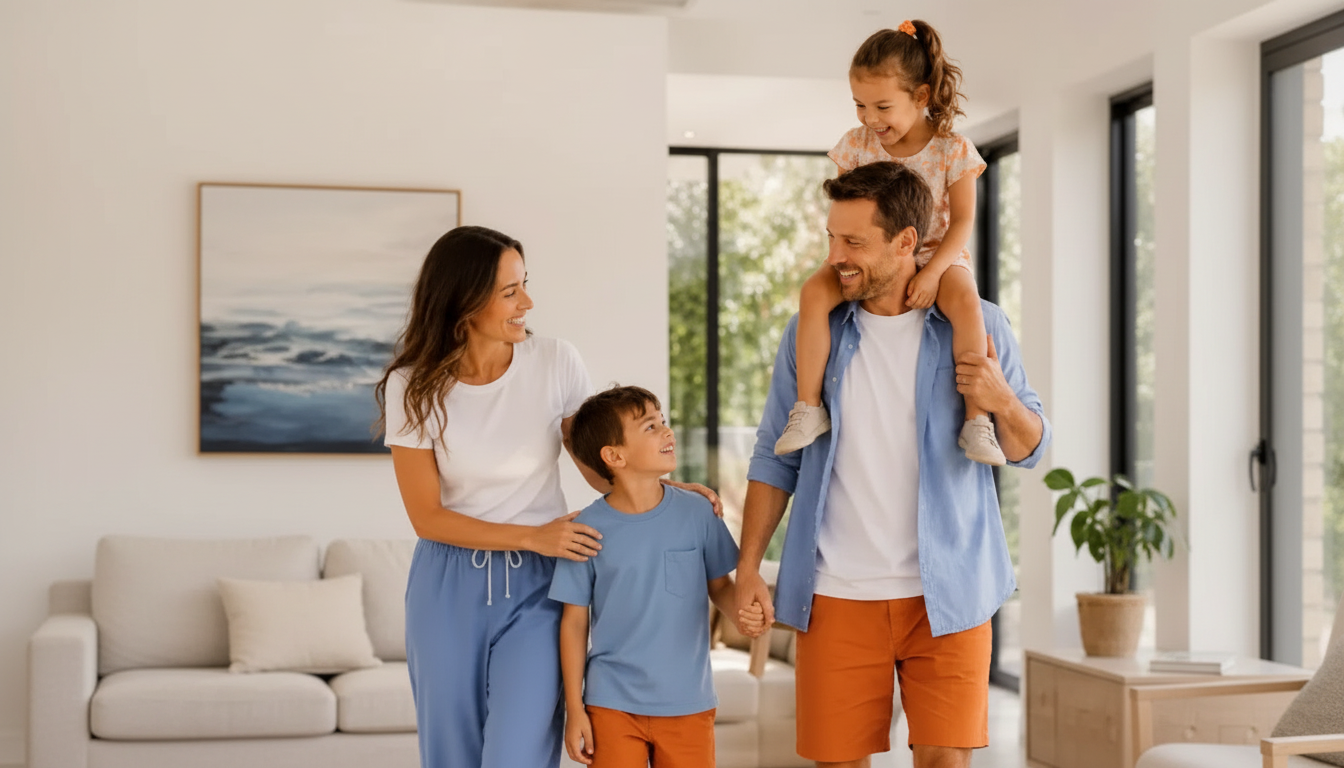
In a family setting, this approach often looks like creating predictable routines that give everyone a role. Instead of one person carrying all the planning and emotional load, responsibilities are shared in age-appropriate ways, and time is set aside for connection—not just chores and schedules. The payoff is usually less friction, more trust, and a stronger sense of “we’re on the same side.”
How the stronger together approach works day to day
Most versions of this approach rely on three practical habits:
1) Shared goals: Pick one or two priorities everyone can get behind, like smoother mornings, calmer evenings, or more quality time.
2) Shared structure: Build repeatable moments where connection is the default—family check-ins, quick games, reading time, or simple traditions that don’t require a lot of prep.
3) Shared ownership: Make it visible who does what. Even small contributions (setting the table, choosing an activity, leading a “gratitude round”) reinforce teamwork.
If the goal is stronger family bonds, a short routine can be easier to sustain than occasional big outings. For a ready-to-use framework with printable ideas, see the full guide here: 7-Day Family Bonding Routine (Printable Activities).
Why it helps
When people feel included and supported, they’re more likely to cooperate and less likely to withdraw or argue. The stronger together approach also reduces decision fatigue: fewer last-minute debates about what to do, and more time spent actually connecting.
FAQ
What are some easy family activities that encourage teamwork?
Try shared tasks with a fun twist, like cooking one simple meal together, doing a timed cleanup challenge, or building a puzzle where everyone “owns” a section. The key is choosing something small enough to finish and celebrate the win.








Leave a comment